Central Banks Extend Gold-Buying Streak Into Another Quarter
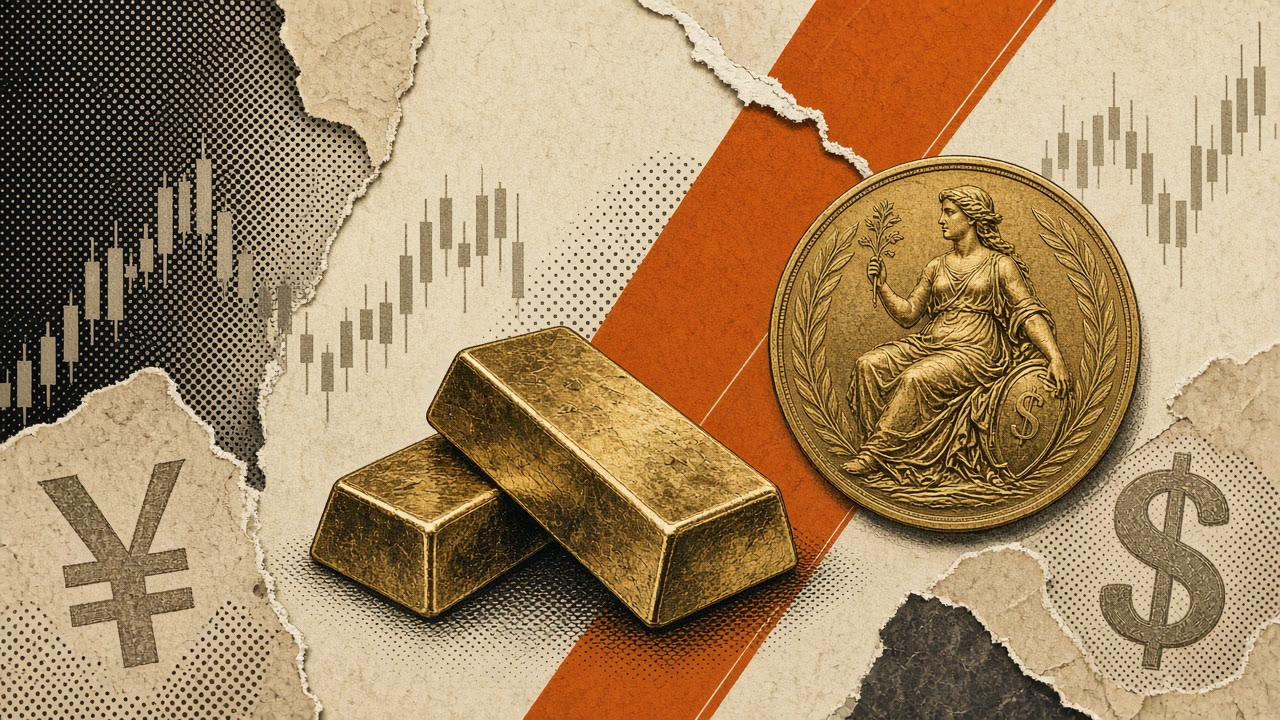
Official-sector demand stayed robust as reserve managers continued to diversify away from the dollar, underpinning bullion near record highs.
Silver outpaced gold this month, propelled by tight supply, solar-driven industrial demand, and a falling gold-to-silver ratio.
Goldman Sachs, JPMorgan, and Citigroup have all raised their gold price forecasts, with the most bullish calls targeting $3,000 per ounce within the next 12 months.
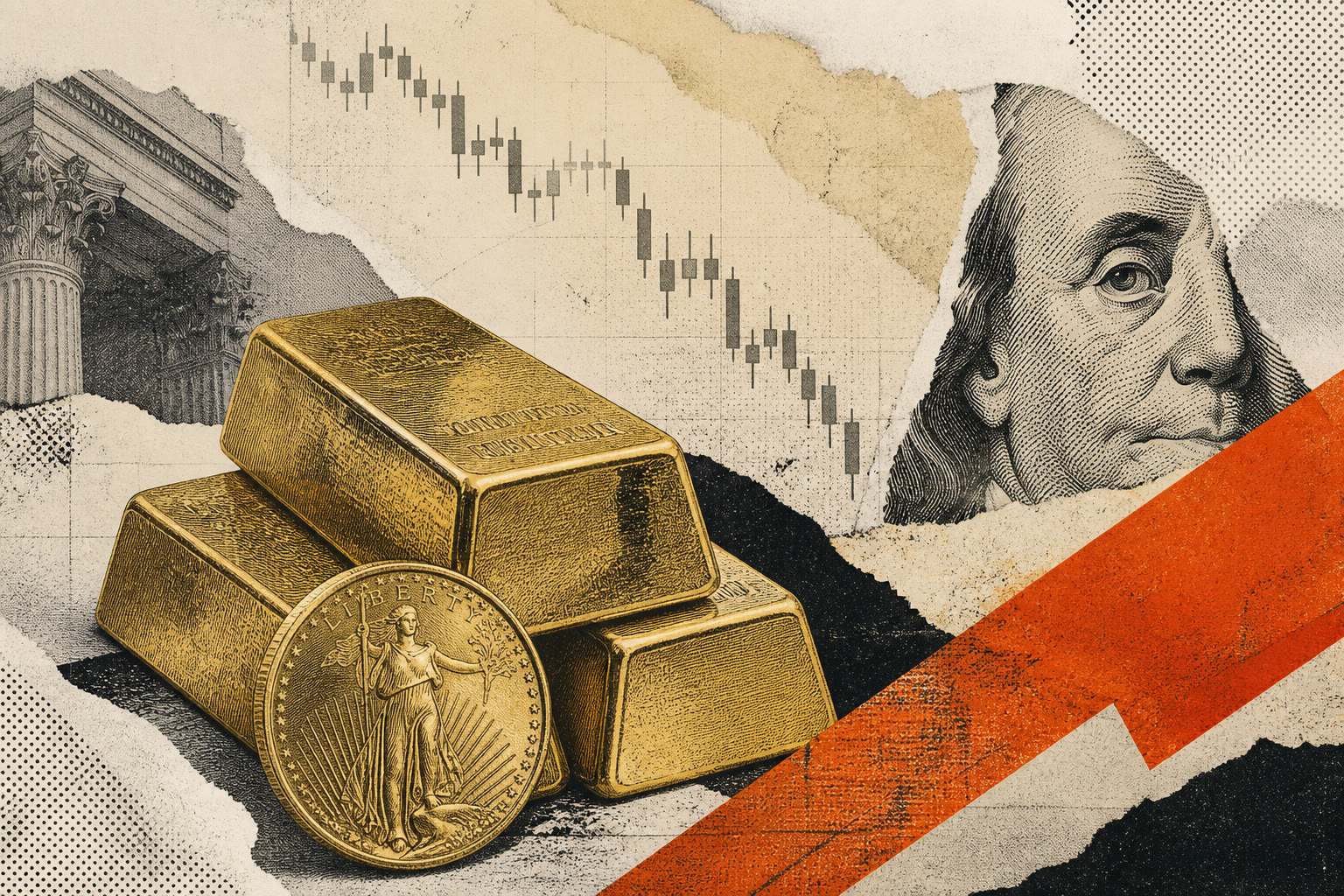
Gold prices surged to an all-time high above $2,400 per ounce, driven by unprecedented central bank purchases and growing geopolitical uncertainty.
Global gold-backed ETFs recorded their strongest quarterly inflows since 2020, signaling a major shift in institutional sentiment toward the precious metal.
As both gold and Bitcoin reach new highs, investors are debating which asset truly serves as the ultimate store of value in an era of fiscal uncertainty.
The gold-to-silver ratio has fallen below 80 for the first time in two years, a level that historically precedes outperformance by silver and broader precious metals rallies.
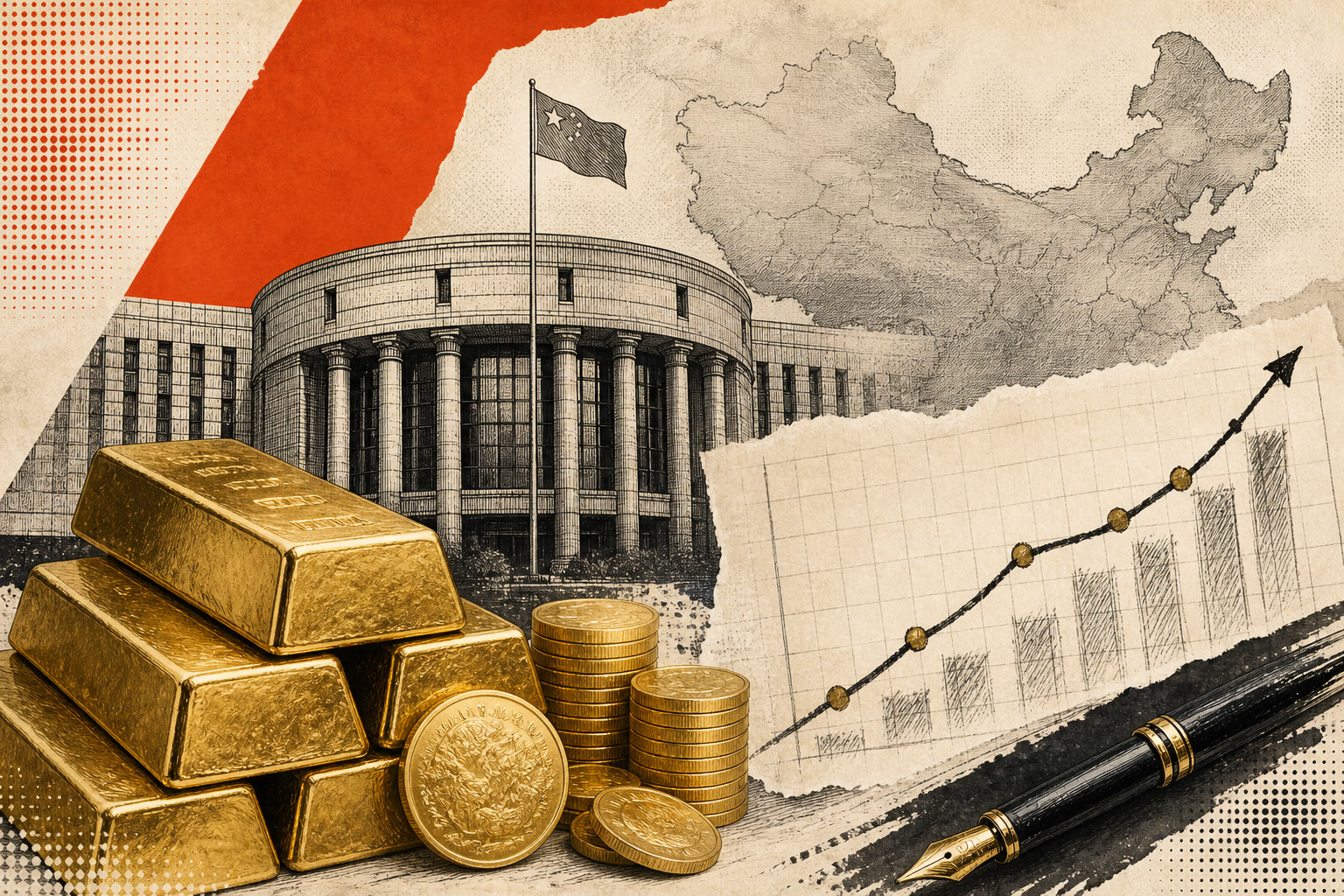
The People's Bank of China continued its record gold buying streak, adding 12 tonnes in March as the nation diversifies reserves away from US Treasury holdings.
All-in sustaining costs for gold miners have climbed to $1,350 per ounce, eroding margins even as gold trades near record highs and raising questions about future supply growth.
India's gold imports jumped to 120 tonnes in March as jewelers stock up ahead of the Akshaya Tritiya festival and the peak wedding season, supporting global prices.